Im Kontext – der Struktur – die Improvisation – sinnstiftend
Sam Gill’s Sensemaker zeigt auf eine Welt, die dicht, komplex und oft schwer zu durchdringen ist. Dichte Strukturen, präzise Improvisationen und ein pointiert erzählendes Saxophon lösen die Welt in Klang auf und machen ihre Muster erfahrbar. Ein Album, das nicht nur gehört, sondern erlebt werden will. Was Sinn macht.
veröffentlicht am 24. Oktober 2025
Sam Gill – alto & soprano saxophones, compositions
Novak Manojlovic – piano
Jacques Emery – double bass
James McLean – drums & percussion
Recorded, mixed and mastered at Golden Retriever by Simon Berckelman.
Tracks 3 & 5 recorded 22/4/22.
All other tracks recorded 30/4/24.
von Sam Gill’s Coursed Waters
Der australische Saxophonist Sam Gill ist kein Musiker, der einfache Wege sucht. Mit seinem Quartett Coursed Waters — James McLean (Schlagzeug), Novak Manojlovic (Klavier) und Jacques Emery (Bass) — untersucht er auf Sensemaker die Frage, wie wir Sinn herstellen: wie Klang, Wahrnehmung und Erfahrung ihre Bedeutung erlangen. Der Titel ist dabei wörtlich zu nehmen – Musik als Versuch, Ordnung in ein komplexes Geflecht aus Eindrücken zu bringen.
Schon der erste Eindruck ist einer von Klarheit und Komplexität zugleich. Gills Saxophon klingt präsent, geradezu körperlich – kein gehauchtes Suchen, sondern ein pointiertes Erzählen. Ihm gegenüber entfaltet Manojlovic am Klavier einen Raum aus schimmernden Harmonien und kontrapunktischen Linien, die sich zwischen Unterstützung und Widerrede bewegen. McLean und Emery halten diese fragile Architektur mit präzisem, aber nie sturem Puls zusammen.
Das Ergebnis ist eine Musik, die Struktur nicht nur atmet, sondern fordert – so dicht verwoben, dass eher die Hörenden als die Musik selbst an die Grenzen ihrer Orientierung geraten. Ein Balanceakt, bei dem die Spannung weniger aus Instabilität als aus Konzentration entsteht.
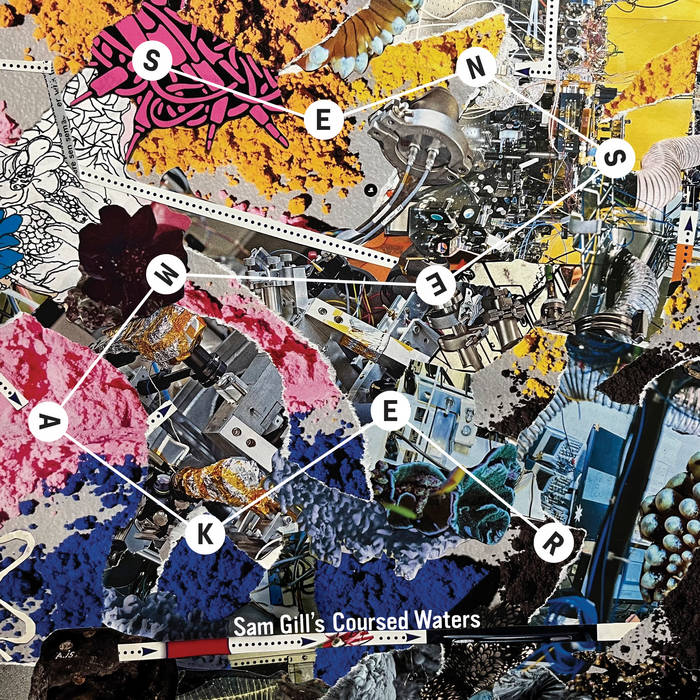
Das Cover von Kate Gentile greift diesen Gedanken visuell auf: eine Collage aus Industrielandschaft, Landkarte und Typografien, überzogen von einer Wegemarkierung, die den Albumtitel buchstabiert. Auch hier geht es um Orientierung im Vieldeutigen – um das Finden von Sinn im Fragmentarischen. Genau das geschieht in den sechs Stücken: frei fließende Improvisationen, mehrschichtige rhythmische Zyklen und weite Melodiebögen formen sich zu einer Musik, die gleichermaßen intuitiv und konzeptuell wirkt.
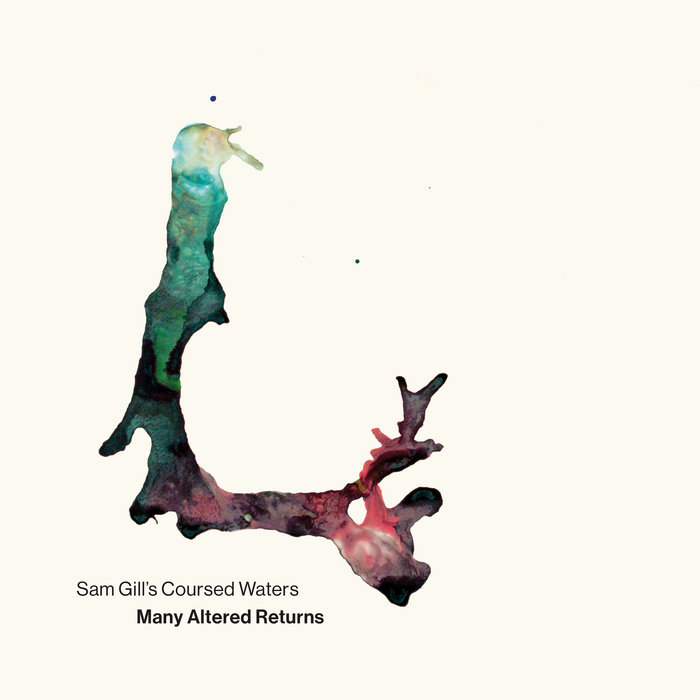
Verglichen mit dem Debüt Many Altered Returns (2019, Earshift Music) wirkt Sensemaker konzentrierter, fast kammermusikalisch im Denken – weniger eruptiv, doch tiefer ausgehört. Man spürt Einflüsse von Steve Lehman, Ingrid Laubrock, Marc Hannaford und Matt Mitchell, aber Gill übersetzt sie in eine unverkennbar eigene Sprache.
Vielleicht liegt die eigentliche Stärke dieses Albums darin, dass es uns erinnert, wie sehr Sinn entsteht in Beziehungsgeschehen. In einer Zeit, in der viele allein vor ihren Bildschirmen nach Bedeutung suchen, zeigt diese Musik, dass Verstehen im gemeinsamen Moment entsteht – im aufmerksamen Hören, im unmittelbaren Zusammenspiel.
von Sam Gill’s Coursed Waters
Sam Gill – alto saxophone & compositions
Novak Manojlovic – piano
Jacques Emery – double bass
James McLean – drums
2019
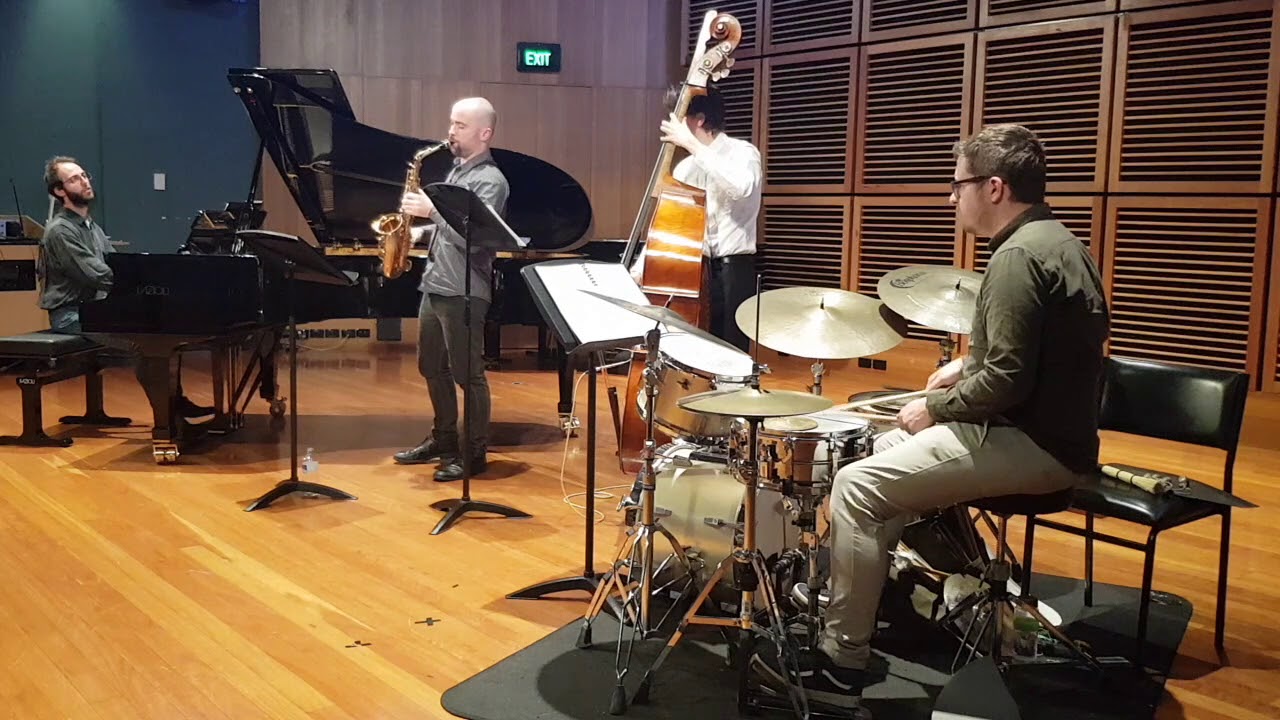
Sam Gill – alto saxophone Novak Manojlovic – piano Jacques Emery – double bass James McLean – drums & percussion YOUTUBE
This is a stimulating slab of prickly composition and guided improvisation. Gill and his partners have a great feel for each other and know how to get through their unwieldy musical mazes without getting lost. — Jerome Wilson, All About Jazz, 25. November 2019.
Sydney-based alto saxophonist/composer Sam Gill boasts the typical nerve that characterises adherents of avant-garde jazz … the quartet’s first recording … explorative homogeneity makes pretty hard for us to pick a favourite track. — JazzTrail August 20, 2019
Many Altered Returns was also nominated for the APRA AMCOS Art Music Award: Annual Excellence: Experimental Music (IMC/AMC). Sam Gill